
01Safety
Patient Safety First
Decreases tracheal and laryngeal injuries from excessive cuff pressure while preventing ventilator-associated pneumonia.
Why it matters
Endotracheal cuff-related injuries remain one of the most common and preventable complications in critical and perioperative care.
9M
Patients injured / yr
From avoidable airway complications
$2B+
Annual hospital costs
Spent on cuff-related injuries
57%
Airway complications
Tracheal & laryngeal injuries
72%
Unsafe cuff pressure
Patients at dangerous levels
Intelligent by design
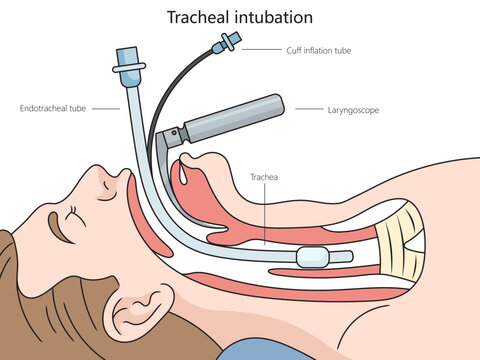
The trachea is always moving, shifting with patient position, swallowing, and breathing. Current devices rely on static pressures that can't keep up. CuffWay responds in real time, keeping patients within a safe pressure window throughout the procedure.
How it works
A seamless workflow designed to integrate naturally into clinical practice
Integrates with standard endotracheal tubes without disrupting workflow
Clinicians set patient-specific pressure recommendations
Real-time pressure tracking begins automatically
System adapts pressures to patient-specific data
Notifications for abnormal pressure readings
Key features
Six engineering commitments that define the CuffWay system — each written into the device from the first prototype forward.
Decreases tracheal and laryngeal injuries from excessive cuff pressure while preventing ventilator-associated pneumonia.
Continuous cuff pressure monitoring that dynamically adjusts to ensure safe pressure ranges.
Notifications trigger when pressure values exceed or fall below thresholds set by clinicians.
Universally adaptable to current endotracheal tubes without disrupting existing OR workflows.
Developed alongside respiratory therapists and clinicians to meet real-world clinical needs.
Reduces post-operative complications by maintaining optimal cuff pressure throughout procedures.
Traction
De-risking a novel airway device across clinical, regulatory, and commercial fronts.
4
Hospitals with pilot interest
83%
Clinicians interested in trialing
60+
Clinician validation surveys
2
Patents filed (provisional + utility)